CRU-Glass
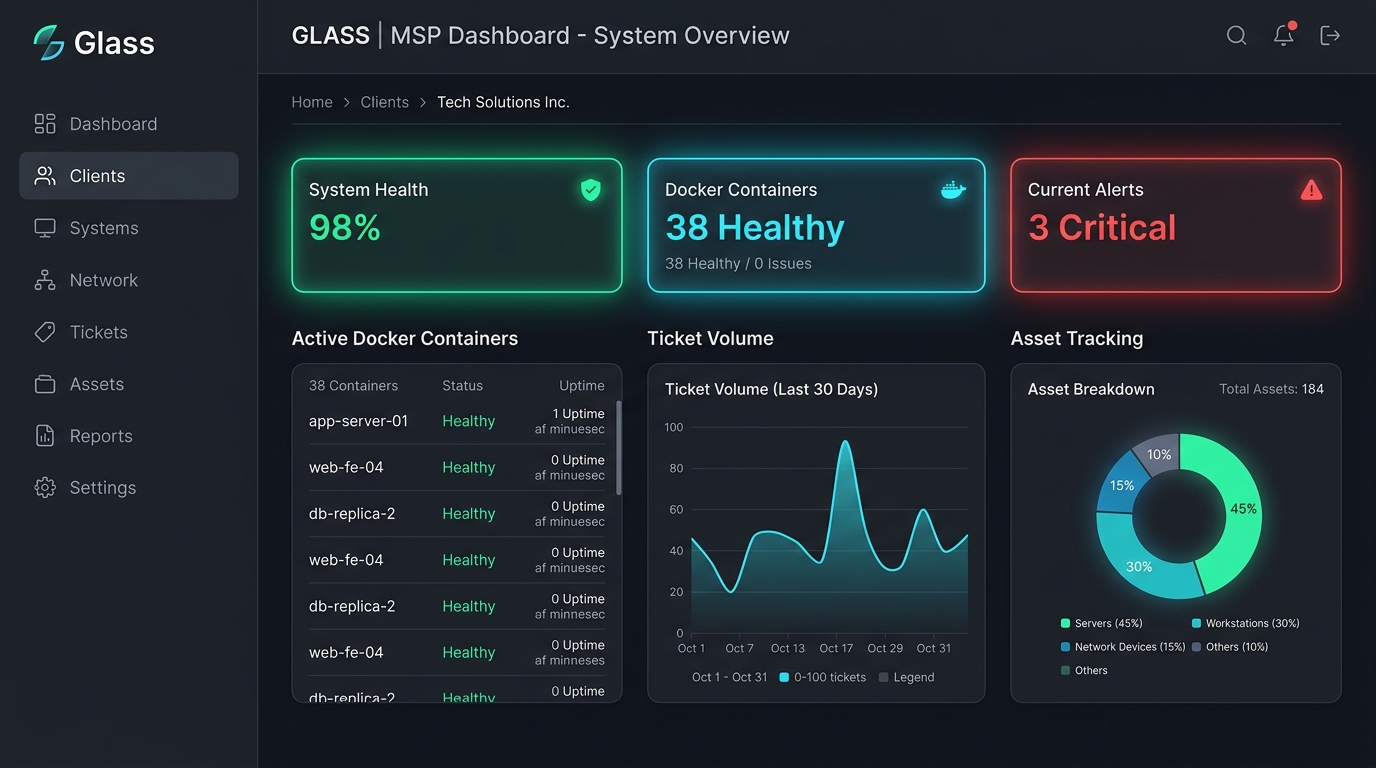
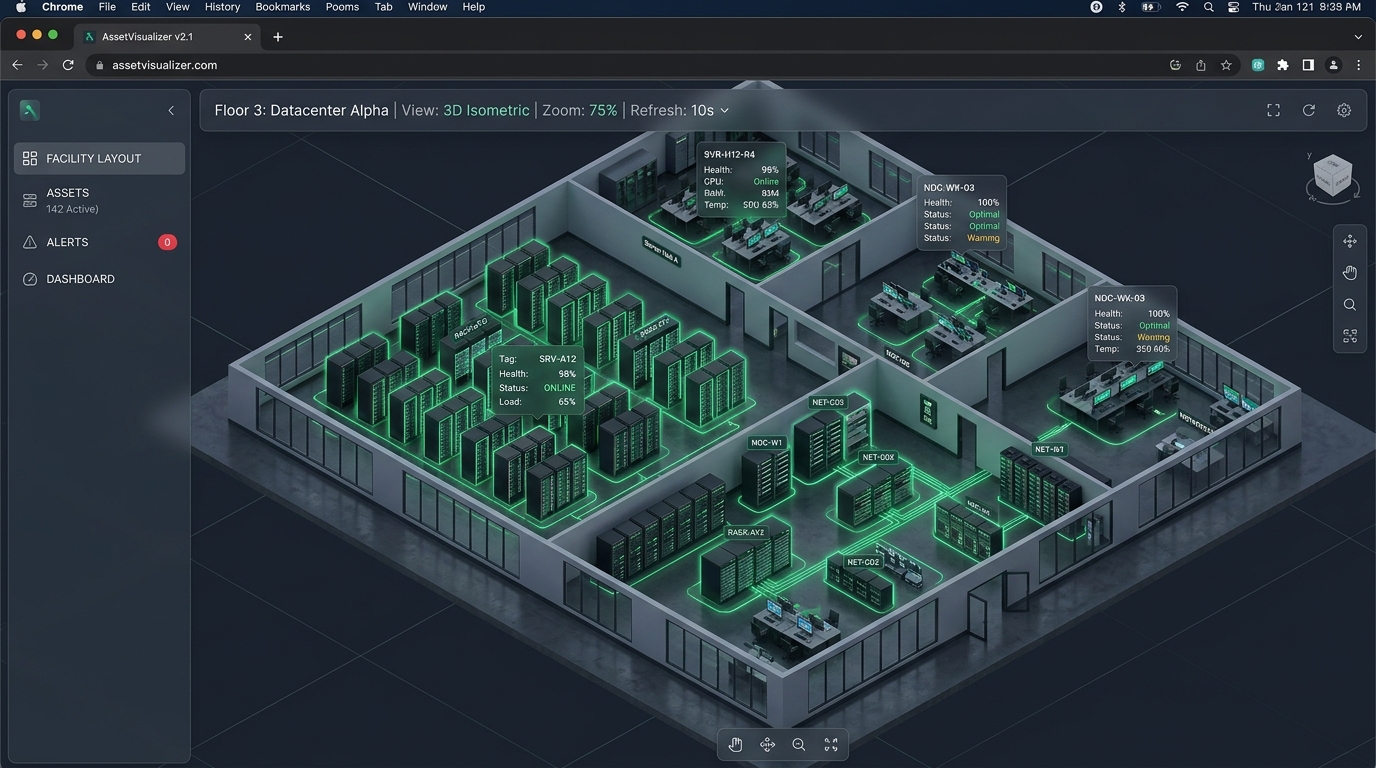
Core monolith — 11 dashboards, ticket UI, admin, AI report builder, 3D facility viewer.
The main hub. The screens everyone logs into — the dashboards, menus, and controls that tie the whole system together.
glass-core
Auth & identity — JWT RS256, SSO/OIDC, MFA, 7-tier RBAC, settings manager.
The bouncer. Handles secure sign-in — passwords, two-factor codes, single sign-on — and controls who's allowed to see what.
glass-tickets
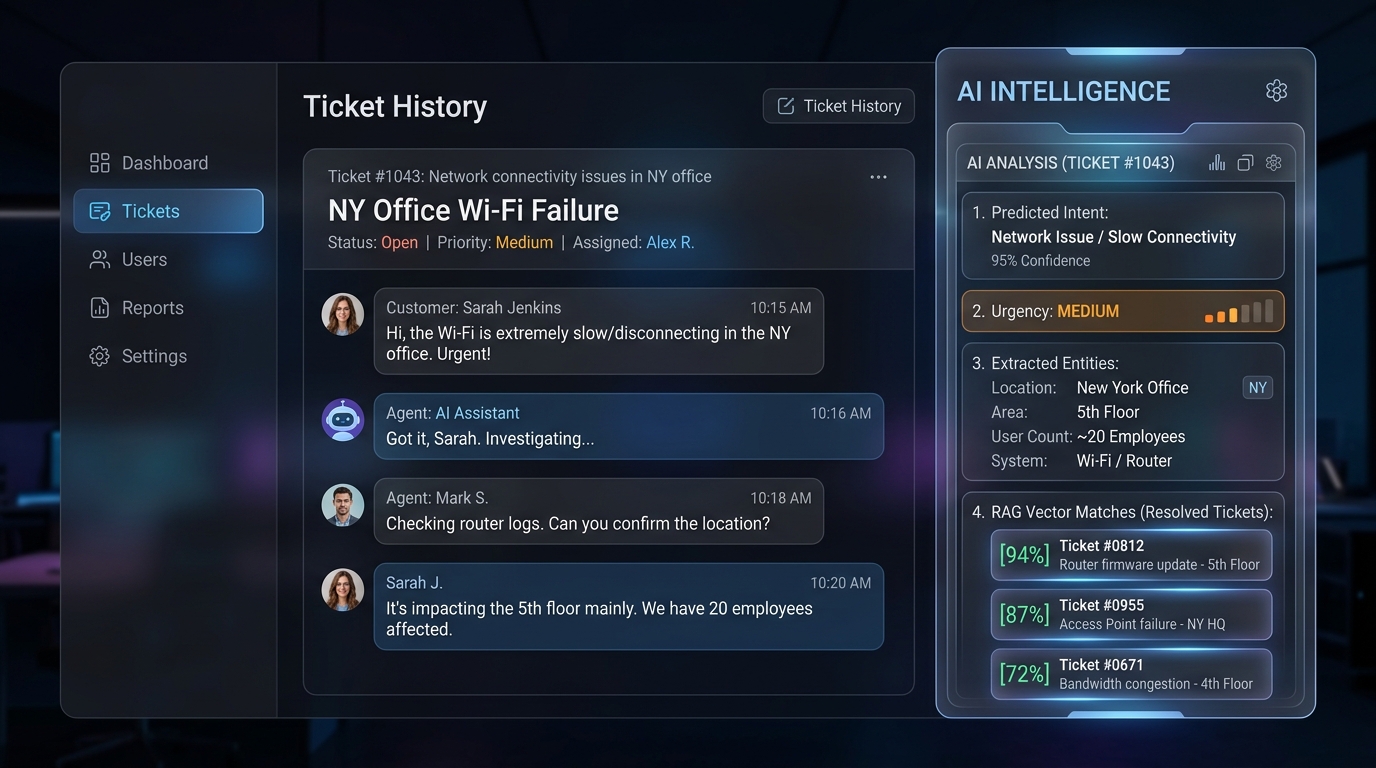
PSA/ITSM — lifecycle state machine, rules engine, time tracking, paired with Go SLA daemon.
The help desk. Tracks every customer request from "reported" to "resolved," with reminders so nothing slips through the cracks.
glass-assets
CMDB — asset lifecycle, dynamic 0–100 health scoring, warranties, RMA claims.
The inventory. Every computer and device you manage — its age, health, and warranty — so you know what you have and when to replace it.
glass-sentinel
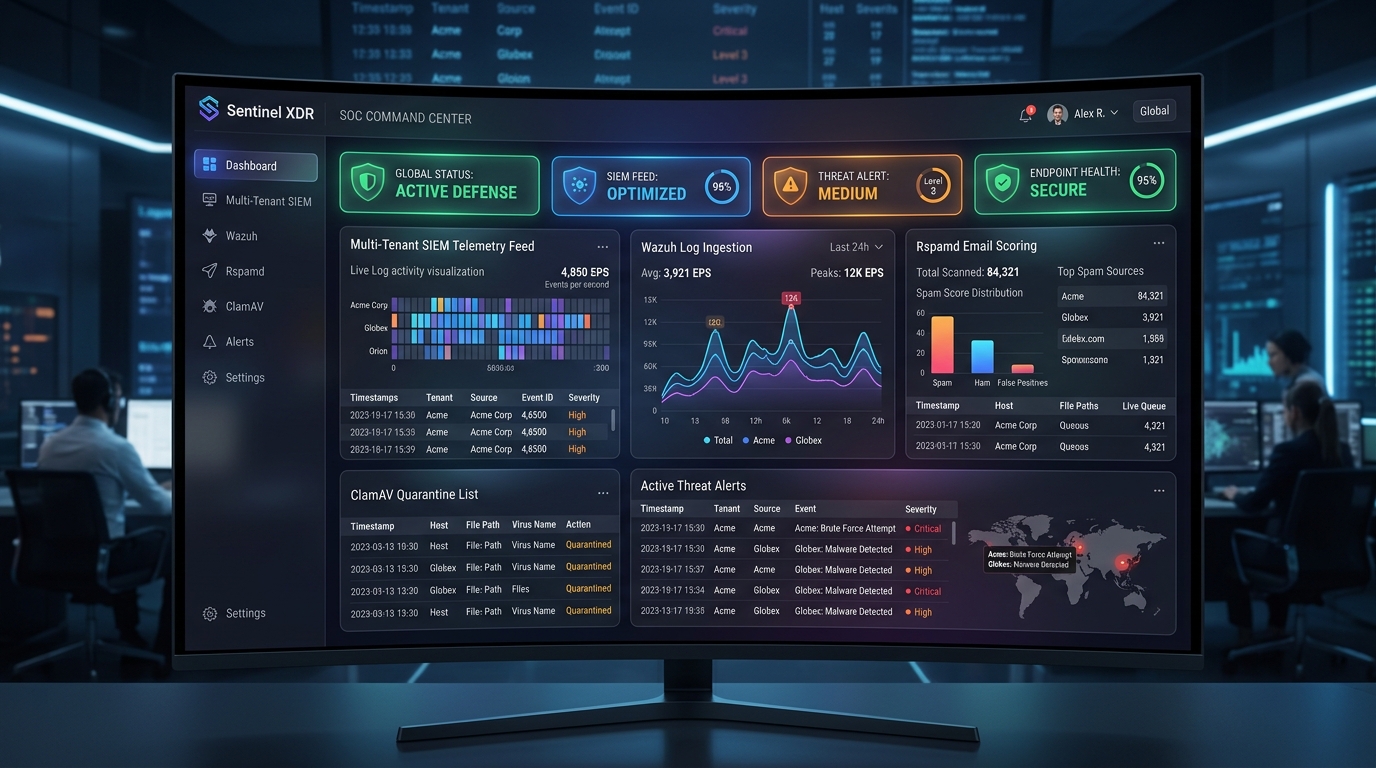
XDR & security ops — Wazuh SIEM on DMZ, multi-tenant isolation, blocklists, posture tracking & sandboxed remediation.
The security brain. Watches for threats across every customer, blocks known bad actors instantly, and safely runs the fix when something's found.
glass-strix
Automated penetration testing — continuous attack simulation, vulnerability scanning, and automated CVE audits.
Automated pentesting. Regularly tests your defenses against the latest security exploits to find weaknesses before hackers do.
glass-rmm
RMM & remote access — MeshCentral + RustDesk OSS dual remote access, auto-checkin tokens, interactive terminal, patch management.
Remote control. Lets technicians see and control customers' computers with dual engines and an interactive command shell.
glass-invoice
Native billing engine — SolidInvoice-powered PostgreSQL billing, recurring subscriptions, quotes, and payment gateway integration.
Invoicing & billing. Creates quotes and invoices directly in Glass with zero monthly per-seat fees or QuickBooks lock-in.
glass-unifi
Telephony & audio — UniFi Talk, Android Call & Meeting Audio Pipeline with local Whisper ASR & Pyannote speaker diarization.
Phones & meeting audio. Transcribes voicemails and meetings locally on GPU, separating speakers and attaching transcripts to tickets.
glass-chat
Real-time messaging — WebSocket, WebRTC voice/video, call transcription (Go binary handling 10k+ concurrent connections).
Team & client chat. Built-in messaging and video calls for staff and customers — with automatic transcripts of every call.
glass-cyber
Cybersecurity training & testing — interactive awareness modules & quizzes, phishing-simulation testing, per-user risk scoring.
Security training. Interactive courses plus fake phishing tests that teach staff to spot scams — and score who needs more practice.
glass-procurement
Procurement — purchase-order lifecycle, supplier catalog, computed totals tied to the CMDB.
Purchasing. Manages buying equipment — purchase orders, suppliers, and costs — all tied back to your inventory.
glass-crm
CRM — campaigns, .docx merge, queue dispatch with SKIP LOCKED, Redis Streams (compiled Go daemon).
Contacts & marketing. Keeps track of your customers and sends targeted email campaigns with high-throughput queueing.
glass-ai-worker
AI worker — Dual-LLM sandbox, pgvector RAG, Pydantic-enforced LLM outputs on local DGX Spark.
The AI engine. Reads tickets, finds similar past cases, and screens untrusted input through a guardian model before taking action.
glass-email
Email — Exchange ingestion, AI triage & noise scoring, push notifications.
Smart inbox. Reads incoming email, flags what's urgent versus junk, and turns real requests into help-desk tickets automatically.
glass-superops
PSA sync & native replacement — retired in production at Sterling Innovations (dropping catalog search from 3,429 ms to 30.5 ms).
Native speedup. Replaced legacy SuperOps cloud dependency in production with native PostgreSQL indexing for 110x speedup.